
Flat Roofing Systems Built for
Reliable Waterproofing
Flat and low-slope roofs require a different approach from traditional pitched roofing systems. Because water moves more slowly across the surface, dependable waterproofing, properly sealed seams, and effective drainage are essential for long-term performance.
Threadgill Professional Roofers provides flat roofing services for homes, commercial buildings, additions, garages, and other properties with low-slope roof designs. Our team handles inspections, repairs, membrane installation, restoration, and complete flat roof replacement.
Every project begins with a detailed evaluation of the existing system. We inspect the membrane, seams, flashing, roof edges, drainage outlets, penetrations, insulation, and visible decking conditions.
This process helps us determine whether moisture is entering through a puncture, separated seam, deteriorated flashing, blocked drain, or another vulnerable area. Finding the actual source of the problem allows us to recommend a more dependable solution.
Flat roofing materials must be selected according to the building, roof use, drainage design, weather exposure, and maintenance needs. We help property owners understand suitable options without recommending unnecessary upgrades.
Our team also considers areas around vents, skylights, HVAC equipment, parapet walls, and roof access points. These transitions often require additional waterproofing attention because they are common locations for leaks.
Careful preparation is essential before a new membrane or repair material is installed. The surface must be stable, clean, and suitable for the selected system so the completed work can perform as intended.
Whether your flat roof has an active leak, ponding water, damaged seams, or widespread deterioration, Threadgill Professional Roofers provides practical guidance and workmanship focused on lasting protection.
Flat Roof Leak Detection Specialists
Flat roof leaks can travel beneath the membrane before appearing inside the property. Our team inspects seams, penetrations, flashing, drainage areas, and surface damage to locate the likely entry point instead of treating only the visible stain.
Membrane Installation and Replacement Expertise
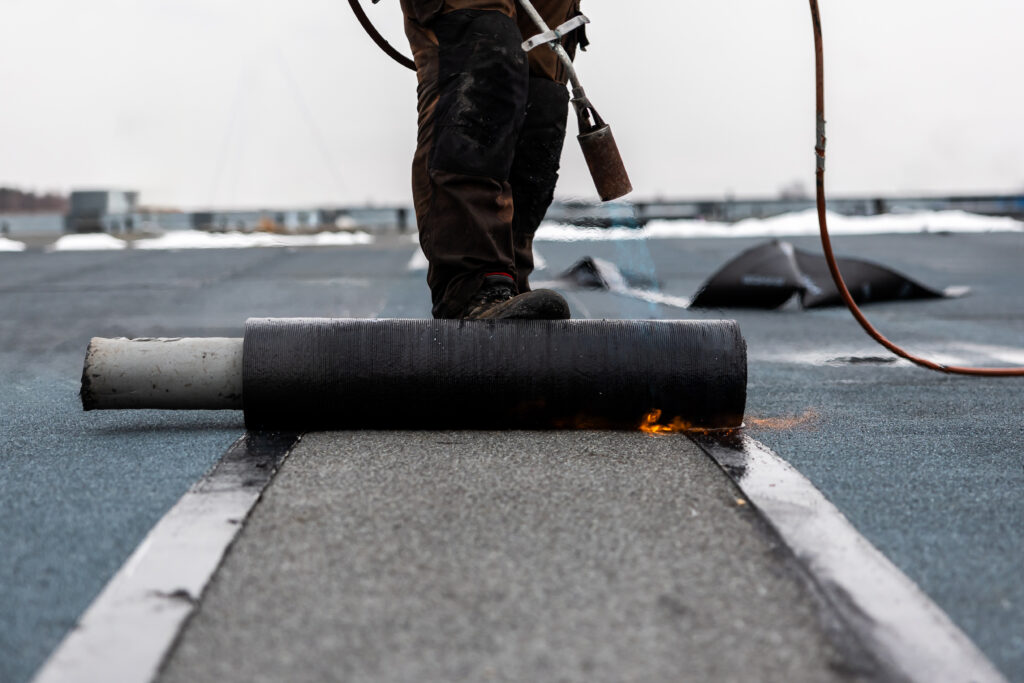
A successful flat roof depends on proper surface preparation, material compatibility, seam detailing, and drainage planning. We install and replace flat roofing systems with close attention to the areas that commonly cause premature failure.
Flat Roofing Designed Around
the Building
Flat and low-slope roofs require specialized waterproofing because rainwater moves more slowly across their surfaces. Proper membrane installation, secure seams, detailed flashing, and effective drainage must work together to protect the building from leaks and moisture damage.
Threadgill Professional Roofers provides flat roof inspections, repairs, restoration, installation, and replacement for residential and commercial properties. We evaluate the membrane, roof edges, penetrations, drains, flashing, and visible structural conditions before recommending any work.
Every recommendation is based on the roof’s material, age, drainage performance, repair history, and current condition. Our goal is to provide a flat roofing solution that improves waterproofing and supports dependable long-term performance.
- 4.9 Average Customer
- Trusted Roofing Professionals
- Quality Flat Roof Workmanship
Request A Free Estimate
304-261-5841
Need Any Help? Call Us
Ask about current savings on qualifying flat roof repairs, membrane replacements, and new installation projects.

Flat Roof Repair and Replacement Specialists
A flat roof may appear simple, but reliable performance depends on proper waterproofing, secure seams, detailed flashing, and effective drainage. Unlike pitched roofs, flat and low-slope systems cannot move rainwater away as quickly, so even a small installation issue can lead to ponding water or moisture intrusion.
Over time, sunlight, temperature changes, storms, and standing water can weaken the roofing membrane. Cracks, punctures, blisters, separated seams, and damaged flashing may allow water to spread beneath the surface before an interior leak becomes visible.
Common warning signs include:
- Water stains on ceilings or walls
- Cracked, blistered, or punctured membranes
- Loose or separated roofing seams
- Standing water after rainfall
- Damaged flashing around walls and equipment
- Recurring leaks after previous repairs
A focused repair may be suitable when damage is limited and the surrounding roofing system remains stable. However, replacement may provide better long-term value when deterioration affects several areas, the membrane has become brittle, or moisture has reached the insulation and decking.
Threadgill Professional Roofers evaluates the membrane, roof edges, drainage outlets, flashing, penetrations, and visible structural conditions before recommending any work. We also check for wet insulation, unstable decking, and low areas that may be contributing to repeated ponding.
The right flat roofing material depends on the building design, roof access, expected foot traffic, drainage system, and maintenance requirements. Our team explains suitable repair, restoration, and replacement options based on the actual condition of the roof.
Once the approved work is complete, we review seams, flashing, transitions, and drainage areas to confirm that the system is prepared to provide dependable waterproofing and long-term property protection.
Get in Touch
Restore Reliable Protection to
Your Flat Roof
Contact Threadgill Professional Roofers if your flat roof has ponding water, damaged seams, recurring leaks, punctures, or signs of aging.
Our team will inspect the system, explain what is causing the problem, and recommend a practical repair or replacement option for your property.
304-261-5841
Need Any Help? Call Us
Common Questions About
Flat Roofing
Flat roofing projects often raise questions about leaks, ponding water, membrane options, repairs, replacement timing, and ongoing maintenance. Understanding how these systems manage moisture can help property owners recognize problems before they cause widespread damage.
The answers below cover common flat roofing concerns and explain what to consider when planning an inspection, repair, restoration, or replacement with Threadgill Professional Roofers.
What causes a flat roof to leak?
Leaks may develop because of punctures, separated seams, deteriorated flashing, blocked drainage, membrane shrinkage, or damage around roof penetrations. A detailed inspection is needed to identify the actual entry point.
Is standing water normal on a flat roof?
Small amounts of water may remain briefly after rainfall, but water that stays for an extended period can indicate a drainage or slope problem. Persistent ponding may place additional stress on the roofing system.
Can a damaged flat roof be repaired?
Yes, localized punctures, seam openings, and flashing concerns may often be repaired when the surrounding membrane remains in suitable condition. Widespread damage may require restoration or replacement.
How do I know when a flat roof needs replacement?
Replacement may be recommended when the membrane is extensively cracked, brittle, shrinking, or repeatedly leaking. Wet insulation, deteriorated decking, and frequent repair history may also influence the decision.
What flat roofing materials are available?
Options may include single-ply membranes and modified roofing systems. The appropriate material depends on the building design, existing roof, drainage, weather exposure, maintenance requirements, and budget.
How can I extend the life of my flat roof?
Routine inspections, prompt repairs, clear drainage outlets, and careful management of rooftop equipment can help prevent minor concerns from developing into larger waterproofing problems.